-
Net Metering Explained for Homeowners
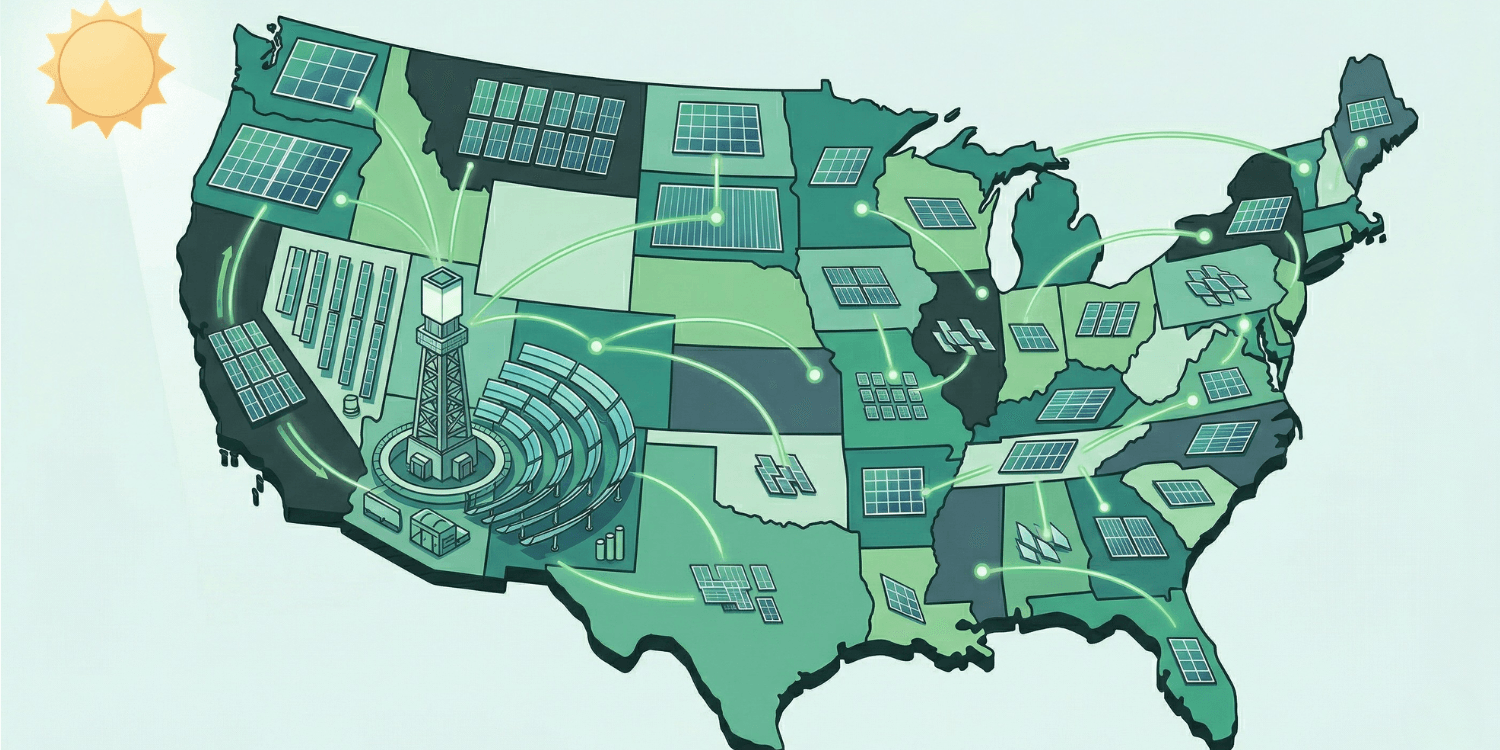
When homeowners run the numbers on solar, most focus on system size, installation cost, and the federal tax credit. But there is a fourth variable that can shift your payback period by years: whether your state offers net metering, what kind, and how strong the credit rate is. According to the Solar Energy Industries Association,…
-
Solar Battery Storage: When It Helps and When It Doesn’t

Most homeowners assume that having solar panels means having power during a blackout. In reality, a standard grid-tied solar system is required by U.S. electrical code to shut down automatically when the grid goes out — to protect utility workers repairing the lines. Without a solar battery storage system, your panels go dark the moment…
-
Solar Cost vs Savings: What Matters Most?

The average U.S. home solar installation costs $30,500 before incentives. The average homeowner saves $61,000 over 25 years. That gap — between what you pay upfront and what you recover over time — is the entire solar cost vs savings conversation. But those averages hide enormous variation by state, electricity rate, and local incentives that…
-
How Solar Payback Is Calculated

For most homeowners, solar payback is the question that sits behind every other solar question. Cost matters. Savings matter. But what ties them together — and what ultimately determines whether solar makes financial sense — is how long it takes for those savings to recover the upfront investment. That question became more important in 2026…
-
Solar Tax Credit Explained for Homeowners

The most common question homeowners are asking about solar right now is a simple one: is the federal solar tax credit still available? The short answer is: not for most homeowners in 2026. The 30% Residential Clean Energy Credit — known as Section 25D — expired on December 31, 2025, after being terminated nearly a…
-
How to Calculate Solar Savings for Your Home
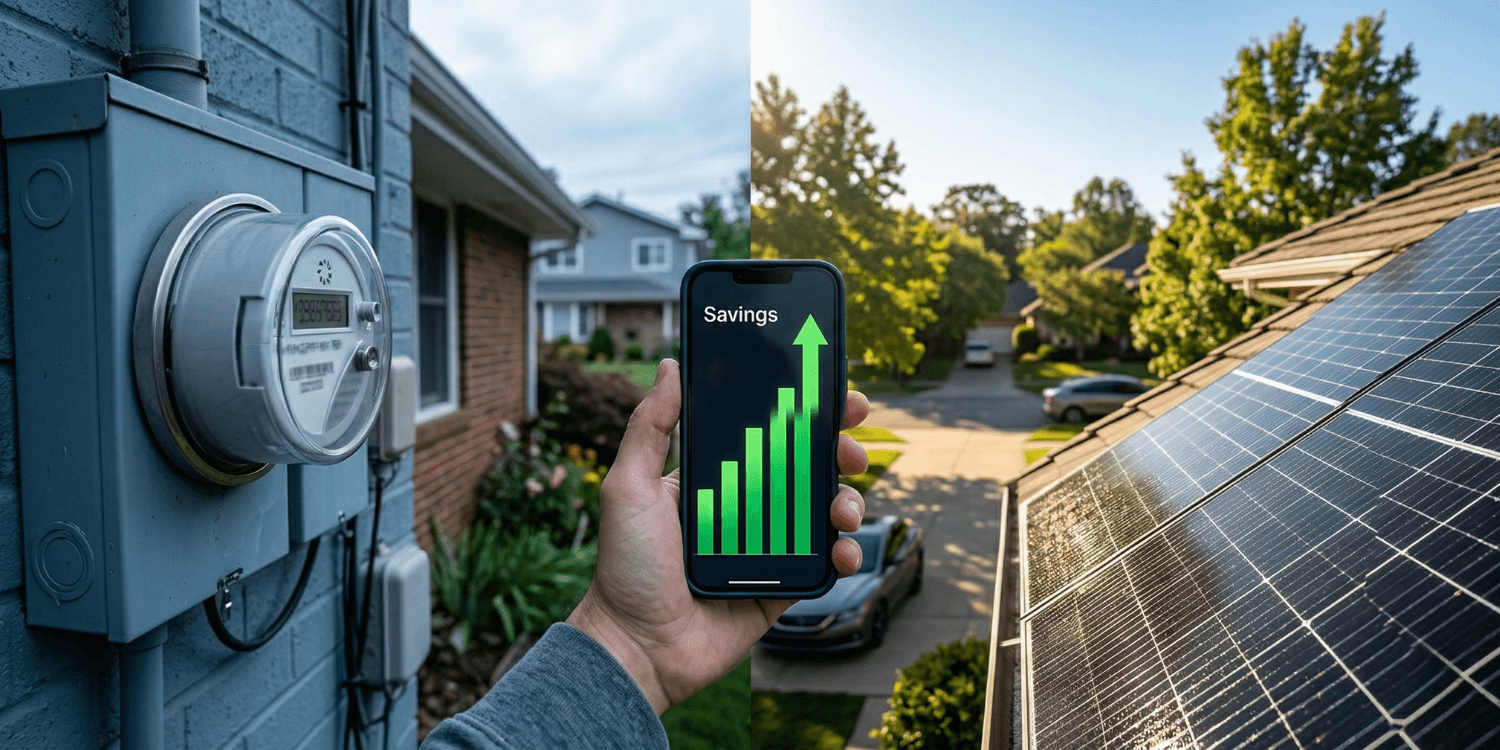
For most homeowners, the real question about solar is simple: how much could it actually save me each month? But getting a realistic answer requires understanding a small set of numbers that most online estimates either skip or oversimplify. The timing of that question matters more in 2026 than it did even a year ago.…
-
How to estimate solar installation cost using the numbers that actually matter in 2026

Most homeowners ask the same first question about solar installation: how much will it cost me? It is a fair question, and in 2026, the answer is more interesting than most people expect. U.S. residential electricity prices rose 9.5% year over year in January 2026, hitting 17.45¢ per kWh on average. At the same time,…
